 BookedWork Pro
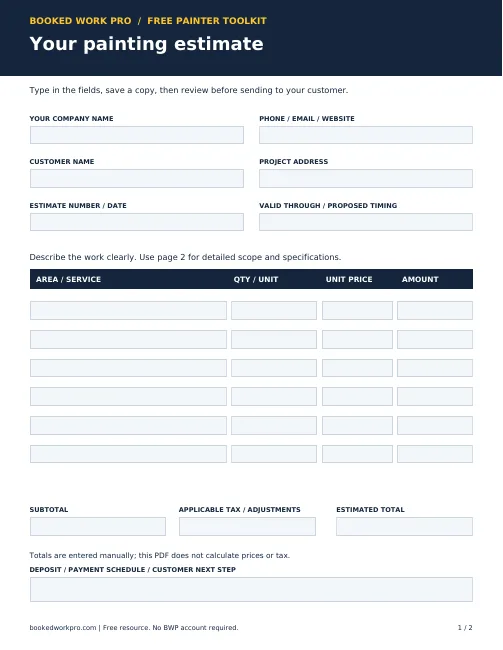
Painting estimate + toolkit
Customer estimate, walkthrough checklist, private costing and follow-up examples.
Get the estimate + toolkit →Your painter hub
Practical painting business articles. Seven FREE tools and templates. Software to help move inquiries toward appointments. Start with what you need today.
Articles and tools are FREE. No account required.

A useful next move
Read the finished sample or request your FREE personalized painting report.
Pick your next move
Go straight to a useful tool or guide. No account required.
Seven FREE painter products
Pick the job you need to do. Open a tool or download the editable PDFs without creating an account.
Customer estimate, walkthrough checklist, private costing and follow-up examples.
Get the estimate + toolkit →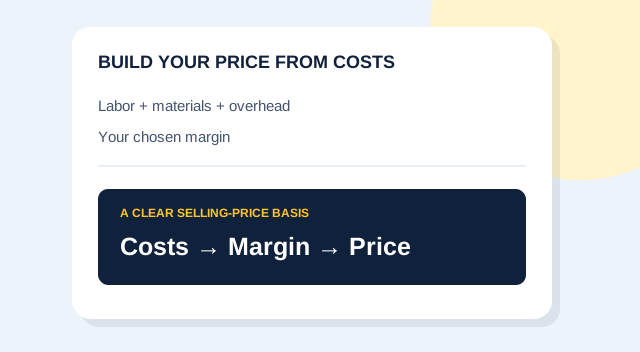
Calculate from labor, materials, overhead and your chosen margin.
Open the pricing calculator →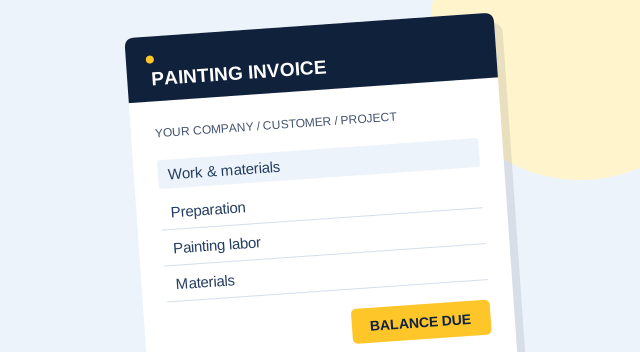
Itemize work, apply your tax settings and show the balance due.
Create an invoice →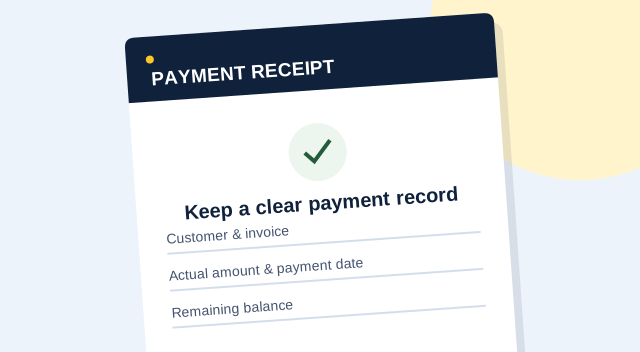
Record an actual payment and the remaining invoice balance.
Create a receipt →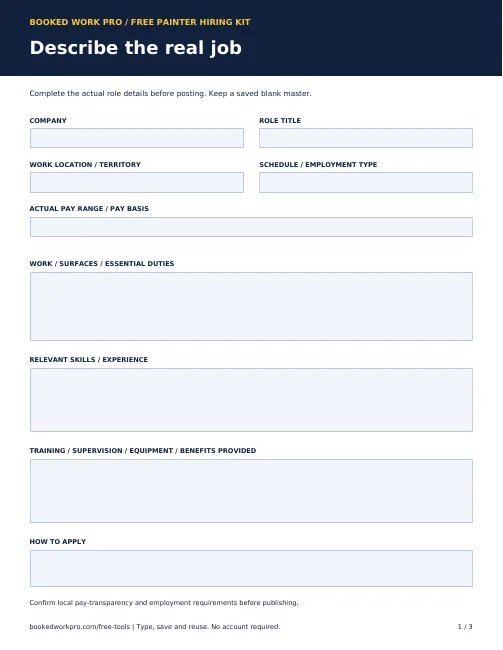
Job description, interview scorecard and first-day checklist.
Open the hiring kit →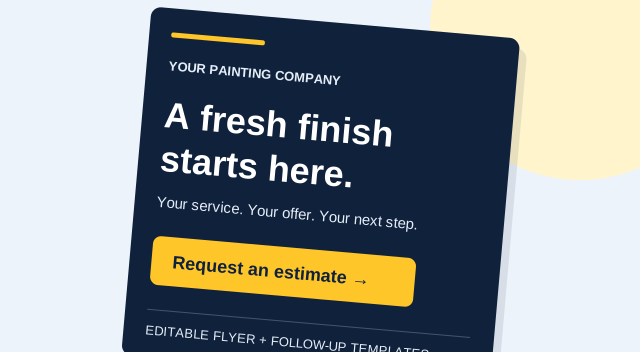
Editable flyers, follow-up messages and your customer request link.
Open the marketing kit →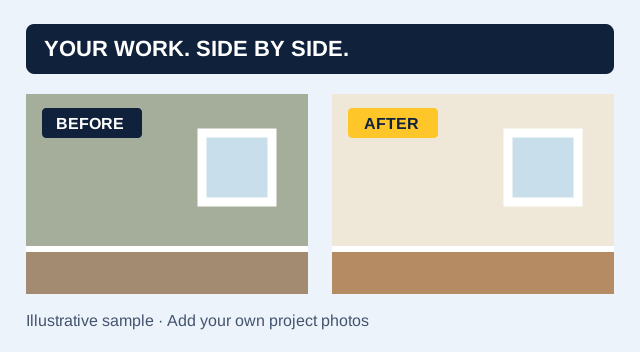
Pair your project photos, add your business details and download a clean image. No watermark.
Make a before & after →For painting contractors
Capture customer requests, send automated email follow-ups, and let customers choose an available estimate time. Bookings sync with your connected Google Calendar.
No credit card required.
Illustrative footage and product previews with fictional sample details. Watch on YouTube ↗
The player couldn’t load. Use the YouTube link above.
From inquiry to appointment
Explore the painter workflow, watch the product overview or try a fictional lead journey before starting a trial.
Ask which rooms and surfaces need work, whether the property is occupied, what condition the customer sees and when they hope to begin. A short request should help prepare the visit, not force the homeowner to diagnose a coating problem.
Measure and assess preparation, protection, access, substrate condition and product requirements on site. Use the walkthrough guide and estimate toolkit to make the assumptions clear.
Technical preparation background: Sherwin-Williams: Prepare surfaces for painting.
“Thanks for asking about your painting project. Could you confirm the rooms or exterior areas involved? Our next step is an estimate walkthrough. Reply with your availability, or use our request link to choose an available appointment.” Adapt this original example to your actual process.
Read the full follow-up guide → · Try the fictional painting lead journey → · Painting contractor software →
A useful place to begin
Our recommended first reads: price the work, find the right customers and build your local reputation.
Painting business guides
Choose the stage you are working on. Find practical guidance from the first estimate request to the final touch-up.
Start with a field guide
Set up your profile, test your review link and ask for honest feedback with ready-to-use painter examples.
Read the field guide →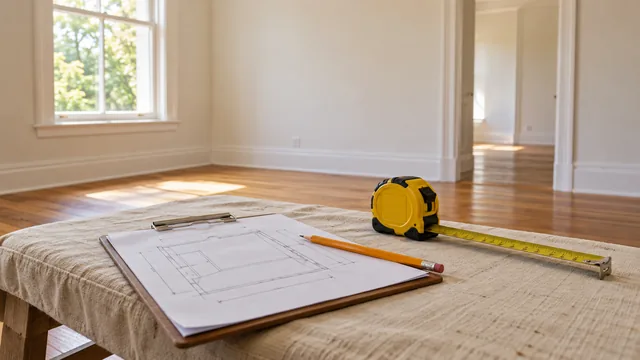
Build a surface takeoff, budget painter-hours and turn job cost into a selling price with a worked example.
Read the field guide →Build the business, qualify the request and send a clear proposal.
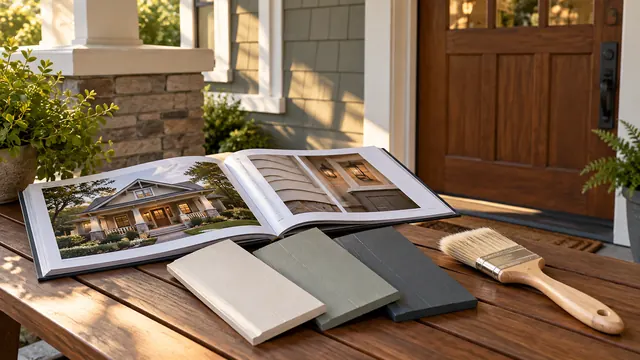
Build a qualified opportunity list, prepare a useful walkthrough and follow a clear bid-to-decision process without racing to the lowest price.
Read the field guide →
Test clarity, service fit and name availability before paying for vehicle graphics, uniforms or a new website.
Read the field guide →
Use a transparent job-cost example to separate sales, direct cost, overhead, owner compensation and cash available.
Read the field guide →
Choose surfaces your crew can prepare and coat well, screen older properties for lead-safe work, price preparation and access, and build a clear inspection and touch-up process.
Read the article →
Turn a vague painting inquiry into a useful walkthrough: identify surfaces, access, decision makers and unresolved conditions, then hand the estimator a concise visit brief.
Read the article →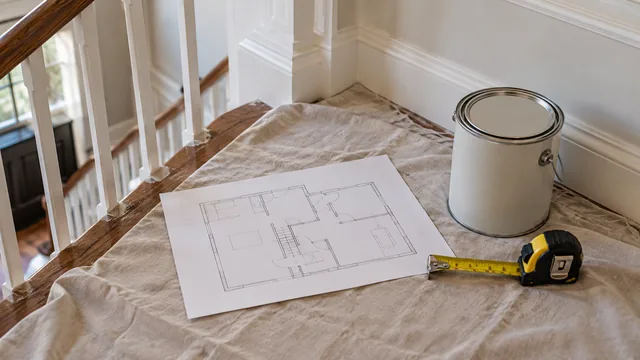
Measure each paintable surface, estimate crew-hours for masking, cut-in, prep, coats and cleanup, and price the job with a clear gross-margin calculation.
Read the article →
Write a painting proposal that specifies prep, substrate repairs, primers, finishes, protection, exclusions and a fair change-order process.
Read the article →Assess surfaces, choose coatings and set the crew up to do the work well.
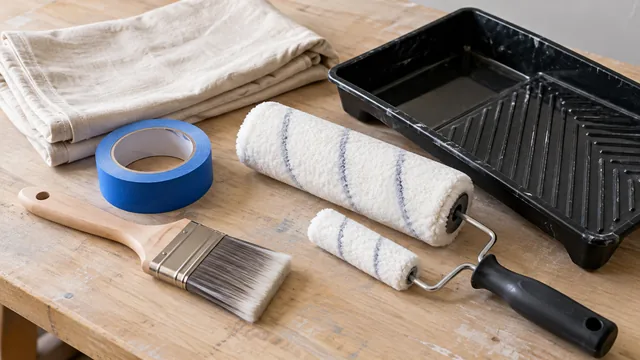
Plan protection, preparation, application, access and cleanup equipment before buying another sprayer or loading the van.
Read the field guide →
Define the work, build a painter job description, assess relevant skills and prepare the first day with the FREE hiring kit.
Read the field guide →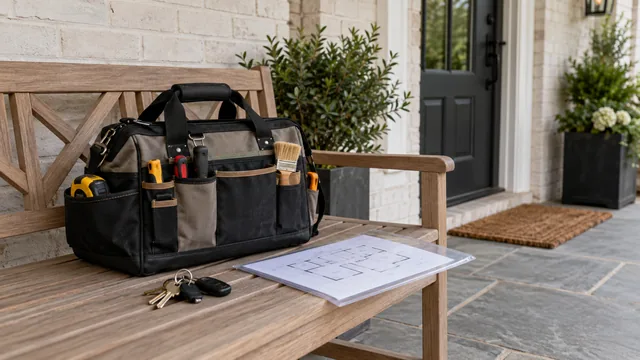
Check classification, qualifications, scope, site coordination and change approvals before relying on another painting business.
Read the field guide →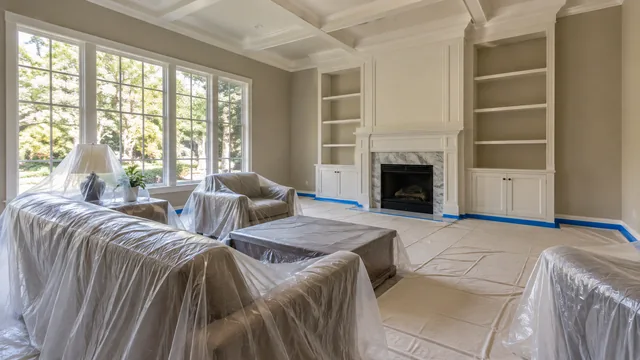
Run a painting walkthrough that connects surface condition to a measurable scope: map the work, identify preparation and access, record uncertainties and hand over a defensible estimate brief.
Read the article →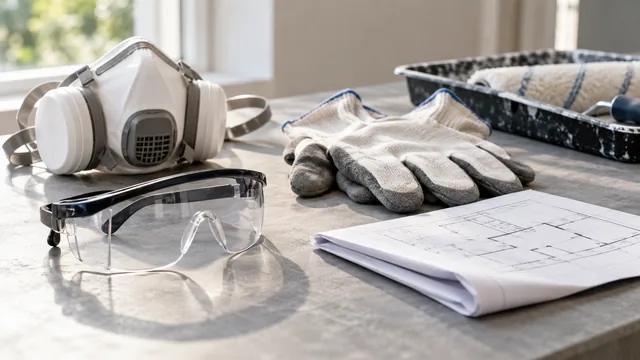
Plan painter access, lead-safe disturbance, dust control, ventilation, chemical handling and occupied-home protection before production begins.
Read the article →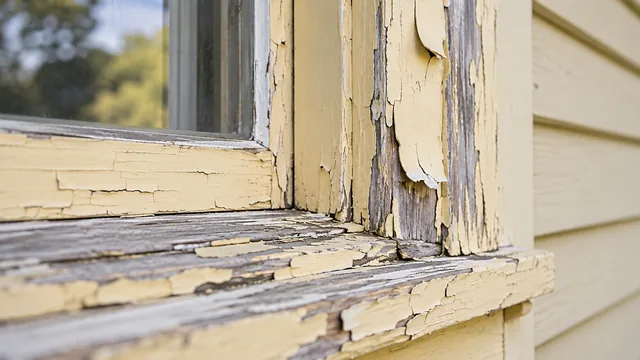
Investigate peeling, blistering and recurring stains before pricing a repaint. Record evidence, separate the water or substrate repair, and define the coating work that can responsibly proceed.
Read the article →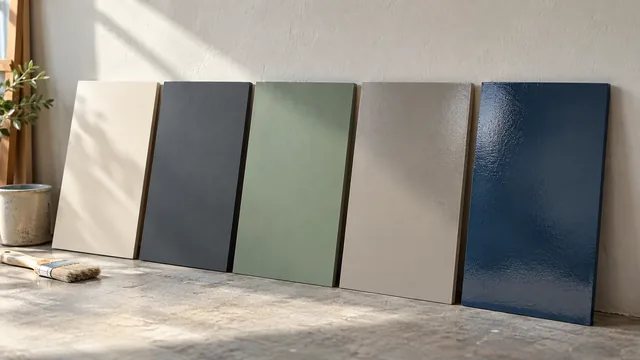
Choose a coating system from the substrate and service conditions, then make product, sheen, color, preparation and care decisions visible in the proposal and crew record.
Read the article →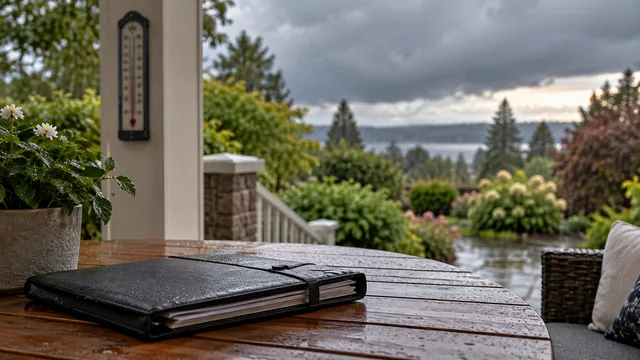
Schedule exterior painting around substrate moisture, product-specific temperature and recoat limits, safe access and a realistic weather contingency.
Read the article →
Give the crew one usable painting plan: approved surfaces, exact colors, preparation boundaries, room sequence, readiness checks and a clear owner for changes.
Read the article →Close out carefully, document touch-ups and build a stronger local reputation.

Compare a simple lead-and-booking tool with a broader field-service system using the same fictional painting inquiry.
Read the field guide →
Create a readable local flyer, request permission for job photos and measure qualified estimate requests instead of paper distributed.
Read the field guide →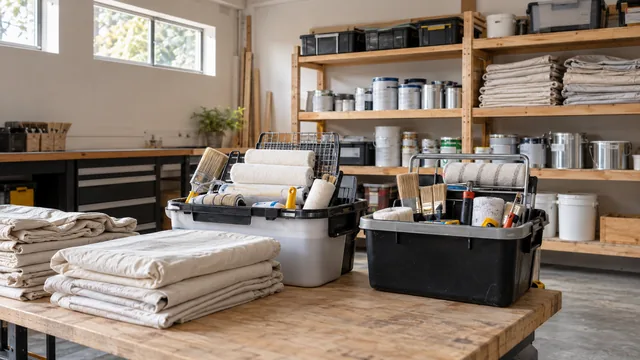
Find the actual bottleneck, test one change and use production, quality and cash evidence before adding more work.
Read the field guide →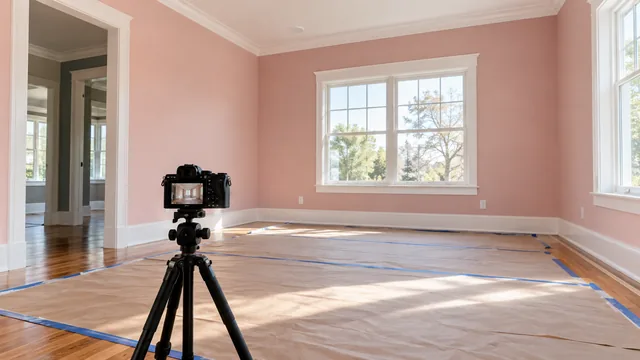
Turn real prep-and-finish job photos, local referrals, honest Google reviews and fast estimate follow-up into a measurable pipeline of booked painting work.
Read the article →
Close a painting job with a traceable punch list, useful product and color records, product-specific care guidance and a callback process that feeds better estimates.
Read the article →