 BookedWork Pro
Painting business resources
Paint walkthrough: prepare before discussing the final coat
Approx. 8 min read
Run a painting walkthrough that connects surface condition to a measurable scope: map the work, identify preparation and access, record uncertainties and hand over a defensible estimate brief.
Published September 24, 2026 · BookedWork Pro editorial guide. A qualified professional must verify field conditions, local rules, and product instructions before a technical recommendation or price.
Open with the request and the limits of the visit
Read the inquiry before arriving, then ask the customer to confirm the intended result and the areas they want priced. Carry forward the questions the office could not resolve: a recurring stain, a high stairwell, a color decision or another trade's unfinished repair. Explain what the visit covers and what it cannot establish without further access, testing or specialist assessment. An ordinary visual walkthrough is not a promise that concealed materials or every layer of old coating is sound.
Agree on the route through the property and the customer's available time. Avoid beginning with a paint brand or a square-foot price before understanding the work. When the requested result differs from the intake note, update the record with the customer's confirmation. The purpose is to leave with a scope that can be estimated and explained, including any decisions still needed. It is reasonable to defer a firm price for an affected area when an unresolved condition would make that price misleading.
Create a surface map before measuring
Use consistent room names or elevation labels. Within each area, list walls, ceilings, trim, doors, closets and other components as included, excluded or optional. Note the substrate where identifiable, the existing finish, visible repairs, access and customer expectations. Label photos to the same area so a later estimator or crew lead can find the correct surface without guessing. Photograph only with permission and keep unrelated private details out of the record.
Measure using your established takeoff method, then record the basis and units. Separate wall area from linear trim and individual doors or components rather than adding unlike quantities together. Note heights, stair access, built-ins, detailed profiles and awkward edges that can affect time even when the area is small. For exteriors, distinguish elevations with different exposure or condition. Do not assume that one easily measured wall represents the preparation required on the entire building.
Inspect condition before selecting a preparation allowance
Look for loose or lifting coating, chalking, contamination, cracks, failing joints, stains, damaged substrate and inconsistent earlier repairs. Ask when symptoms appeared and whether the source was addressed. Record what you observed separately from what the customer reported. A stain may require further investigation; a fresh cosmetic patch does not by itself establish that a moisture problem has ended. Manufacturer surface-preparation guidance emphasizes correcting the moisture source before painting when moisture is present.
Define any further evaluation using an appropriate qualified process and the actual substrate and coating requirements. Do not perform destructive tests or disturb older coatings casually during a quote. Where lead-related requirements may apply, determine the correct review before disturbance. If access limits the assessment, identify the uninspected area and the step required before a fixed scope. Documenting uncertainty is more useful than burying it inside a generic 'all preparation included' line.
Translate findings into recognizable preparation work
For each included surface, describe the preparation the observed condition and proposed system require. Distinguish cleaning, removal of loose coating, feathering, specified patching, compatible joint treatment, dust removal and priming as appropriate to the actual job. Avoid a universal method that ignores product instructions or substrate limitations. Define the boundary between cosmetic repair and drywall replacement, rotten wood, active water entry or other work your company does not provide.
Keep the allowance measurable enough for both pricing and field review. 'Patch the marked nail holes in the bedroom walls' gives a clearer starting point than 'repair walls as necessary.' If the extent cannot be determined until an approved step exposes the surface, explain the assumption and how additional work will be assessed and authorized. Do not promise an invisible patch or a permanent repair without considering texture, light, coating compatibility and the underlying condition.
Plan protection, access and room sequence
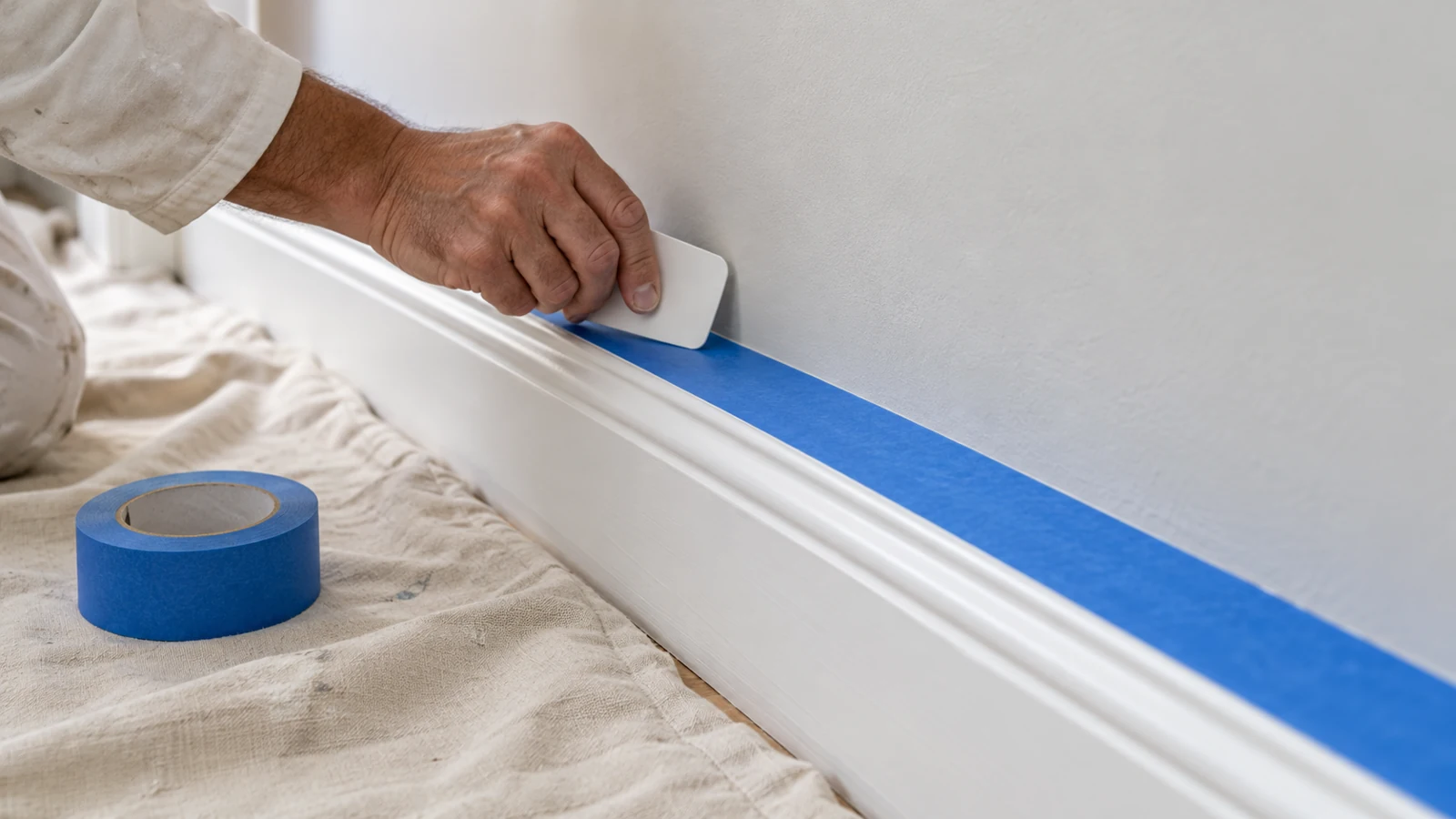
Walk the route used to bring equipment and materials inside. Note stairs, parking, storage, water or power arrangements, fragile surfaces and areas that must stay usable. Agree on who moves furniture, removes wall items and handles belongings the crew should not touch. Identify what needs masking or other protection and how the work zone will be separated under the actual job plan. These tasks consume crew time even when they add no painted area.
For occupied homes, describe a proposed room sequence and ask about pets, children and work-from-home needs. For high or exterior work, flag equipment placement, grade, access restrictions and overhead hazards for qualified planning. Do not choose a ladder setup or promise safe return to a room from a casual glance. Product-specific ventilation, drying and return-to-use instructions and the crew's safety plan must inform the eventual schedule and communication.
Make coating and color decisions traceable
Discuss the use of the surface, expected cleaning, desired appearance and any existing product information. Record customer preferences separately from the system you still need to verify. A coating appropriate to one substrate or exposure is not automatically suitable for another. Use the current product instructions and technical data to confirm preparation, compatibility, application conditions and recoat requirements. Arrange additional manufacturer or qualified input when the observed assembly is outside your normal work.
List colors, sheens and samples already approved and identify the person who will make outstanding decisions. Record the sample location and acceptance process where needed. Keep cabinet or specialty-finishing decisions separate from ordinary wall repainting. Avoid describing a brand name alone as a complete specification. Before buying tinted material, the estimator and customer should be able to trace the approved color and finish back to the correct surface in the map.
A 12-by-14 room: separate walls, ceilings and openings
Fictional planning example: a room measures 12 by 14 feet with 8-foot walls. Its perimeter is 52 feet, giving 416 square feet of gross wall area before openings. That geometry is not a production rate or a final material order. Record how your takeoff treats openings and whether returns, closets or other surfaces add work. The 168-square-foot ceiling is a separate item if requested. Door faces and baseboard lengths belong in their own quantities.
Now add the observed conditions: furniture stays, one wall has marked repairs and a stain near a window remains unresolved. The estimate brief should separate ordinary wall work, protection and moving responsibilities, specified repairs and the unresolved window area. It should also identify the ceiling as included or optional. Applying one price to 416 square feet without these decisions hides most of what the walkthrough discovered. Use your own recorded production and current material information for the eventual estimate.
Close with decisions, dependencies and the estimate brief
Before leaving, walk back through the requested areas and repeat the inclusion list, options, exclusions and outstanding decisions. Identify who will investigate a condition, approve colors, finish another repair or confirm access. Explain when the proposal will be prepared and what could delay a firm scope. If you discussed a preliminary range, restate the assumptions and distinguish it from the written proposal. Do not promise a start date before the actual readiness and capacity checks are complete.
Hand the estimator a single current brief: labeled surface quantities, condition findings, preparation boundaries, protection and access plan, proposed coating decisions, photos, options and open dependencies. Include the source of each material assumption and the need to check current instructions. After the job, compare the walkthrough record with actual preparation hours and callbacks. Improve the next visit checklist when a missed access issue or vague repair allowance created avoidable work.
Match the preparation plan to the substrate
Sherwin-Williams describes preparation as a choice shaped by the substrate, environment and coating system. Use that guidance with the actual site findings and selected product instructions. Record what you observed, the proposed work and any condition that needs further evaluation before release.
Practical checklist
- Confirm requested outcome and what the visit can establish.
- Label rooms or elevations and mark included, excluded and optional surfaces.
- Record measurements with their basis and units.
- Distinguish observed conditions from customer reports and unknowns.
- Resolve moisture-source concerns and older-coating review before disturbance.
- Define preparation and repair boundaries in recognizable terms.
- Record protection, moving duties, access and occupied-room sequence.
- Verify coating requirements and identify outstanding color approvals.
- Assign owners to dependencies before promising price or schedule.
- Give the estimator one traceable scope brief and compare it with actual job results.
References and limits
These sources support the trade and business context; requirements vary by project and location. The job-specific observations, price, and safety plan belong with a qualified local professional.
Put this guide to work
Use the resource that fits your next step. These resources are FREE, with no account required.
Use your own job details and the appropriate professional review.