 BookedWork Pro
Restoration intake: loss type, source, and current hazard
Ask what happened, when it began, what spaces are affected, whether the source is believed ongoing, property address, and a safe callback number.
Practical guideRead this guideRestoration business resources
A customer reporting water, fire, mold, or storm damage may be distressed and short on time. Ask only for the facts needed to route the request, then hand it to a qualified person.
FREE resources · No account required
Selected for Restoration
Start with focused guidance for your trade, then use shared tools to review missed inquiries and follow up helpfully. Every resource is FREE to use.
Ask what happened, when it began, what spaces are affected, whether the source is believed ongoing, property address, and a safe callback number.
Practical guideRead this guide‘Restore basement’ omits the source, materials to remove, moisture monitoring, specialty work, and whether finishes will be replaced.
Practical guideRead this guideExplore a revenue scenario using your own assumptions.
On-screen calculationUse this resourceAdapt three helpful replies and know when to stop.
Copyable email templatesUse this resourceFREE to use · No account required. Use your own job details; no trial required.
See the product before you try it

The 52-second demo shows customer requests, email follow-up, appointment booking and the dashboard using fictional sample details.
Watch the demo on the homepage →Booked Work Pro helps organize inquiries and estimate appointments. The technical assessment, job scope and actual service remain with your qualified team.
Explore restoration software →Restoration field guide
Collect the details that help your team prepare the appropriate visit. Let the customer describe the concern without requiring them to diagnose it.
Who reviews the request: Put recent or ongoing losses into immediate human review. Do not give emergency instructions, determine habitability, or promise insurance reimbursement through automated messages.
Moisture source and affected materials matter to the assessment. EPA advises specialized help for extensive damage or contaminated water; a form cannot determine cleanup scope or insurance coverage.
Use the actual property conditions, selected products and applicable local requirements to decide the scope. A web form or photograph does not replace a qualified assessment.
Trade reference: EPA: Mold cleanup in your home. This reference supports the specific trade point above; it is not a complete installation procedure or a diagnosis for an actual property.
Adapt this original fictional example to your actual service, timing and availability. Viewing this guide sends no message.
We received your report of [loss type] at [property]. A team member will review your information and contact you about the next available assessment. What number is best right now?
After the first reply: Log the human handoff and avoid routine marketing follow-ups. Close automation if a responder has taken over, a visit is set, or the customer opts out.
Restoration business library
Focused guides on starting a business, preparing visits, estimating, safety, project decisions and customer handoff. Each guide includes related reading and primary references.
Choose restoration losses your trained crew can assess, set honest response coverage, plan equipment and follow-up capacity, and document scope without promising insurance coverage.
Read the guide →Ask what happened, when it began, what spaces are affected, whether the source is believed ongoing, property address, and a safe callback number.
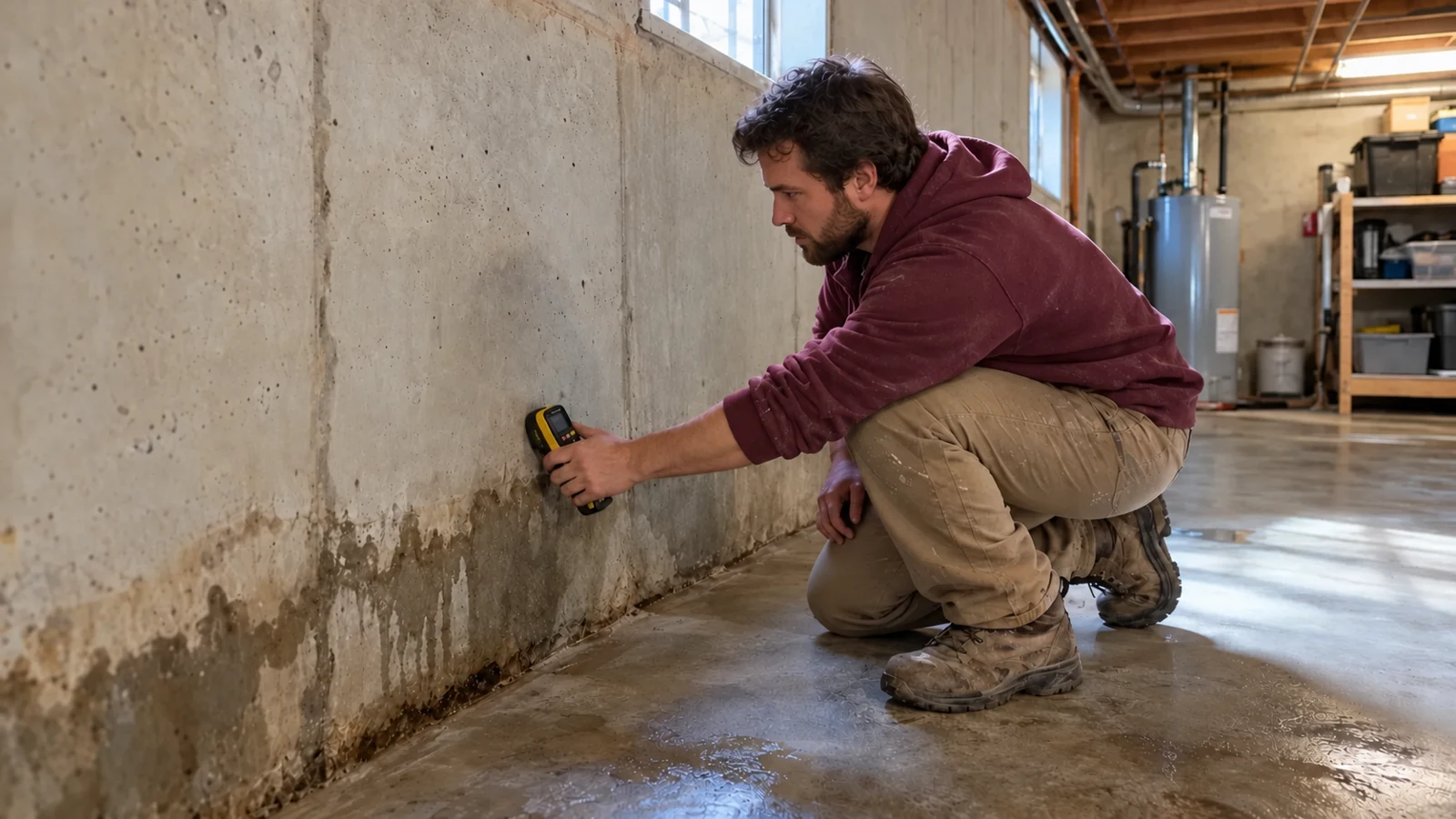
Read the guide →A wall stain alone does not tell the extent of concealed moisture or the material affected. Ask about event timing, prior losses, and visible changes.
Read the guide →Initial extraction, drying, removal of damaged materials, and reconstruction are different phases with different quantities and approvals.
Read the guide →‘Restore basement’ omits the source, materials to remove, moisture monitoring, specialty work, and whether finishes will be replaced.
Read the guide →Water near electrical equipment, unstable ceilings, smoke residues, and possible contamination can make a site hazardous. Ask only enough to flag a human response.
Read the guide →Painting a stain or installing new drywall before stopping water intrusion can repeat the loss. Ask when the damage appeared and whether moisture is still present.
Read the guide →A homeowner may want every damp surface saved, but porous materials and contamination conditions change what is appropriate.
Read the guide →Heavy rain and freezing weather can produce surges of calls. Ask whether the event is still active and which jobs have current water entry or safety concerns.
Read the guide →A distressed customer may speak with dispatch, mitigation, an adjuster, and reconstruction staff. Record who reported what and when, without overwriting observations.
Read the guide →A page promising instant mold removal or guaranteed claim payment creates expectations no responsible team can keep.
Read the guide →A dry-looking wall is not itself proof that every cavity and cause has been addressed. The customer needs a record of what was done and any open questions.
Read the guide →From inquiry to the next appointment
Organize restoration inquiries and estimate appointments with Booked Work Pro.
Start your FREE 14-day trialNo credit card required.