 BookedWork Pro
Restoration business resources
Restoration intake: loss type, source, and current hazard
Approx. 2 min read
Ask what happened, when it began, what spaces are affected, whether the source is believed ongoing, property address, and a safe callback number.
Published September 24, 2026 · BookedWork Pro editorial guide. A qualified professional must verify field conditions, local rules, and product instructions before a technical recommendation or price.
What the inquiry is really about
Ask what happened, when it began, what spaces are affected, whether the source is believed ongoing, property address, and a safe callback number.
What a professional needs to establish
Flag possible electrical, structural, sewage, fire, or other immediate hazards for qualified human review. The intake form must not pronounce the property safe or provide remote remediation instructions.
How to explain the scope and next step
State who will review the request and the next available response window. Track whether a mitigation crew, assessor, or outside emergency service is appropriate without guaranteeing insurance coverage.
Put the decision into practice
Keep the form short enough for a phone: the customer's own observation, location, timing, safe contact method, and whether immediate human review is needed. Ask one or two trade-specific questions that determine who should respond and what appointment type to offer. Do not force the customer to select a technical cause they cannot know. Acknowledge receipt accurately, assign a named owner internally, and give a real next step. If the request falls outside the service area, say so promptly. A form should guide scheduling and prepare an expert; it cannot establish a diagnosis or binding estimate.
Turn the reply into an appointment
Create two clearly different paths: a report that needs prompt human review and an ordinary estimate or service request. For each, define who sees it, what an honest acknowledgment says, and when the customer receives a real appointment choice. Track receipt, first response, booked visit, and declined requests as separate events. If the customer changes the issue after the first reply, update the record so the field professional is not sent to the wrong kind of job.
Trade-specific reference point
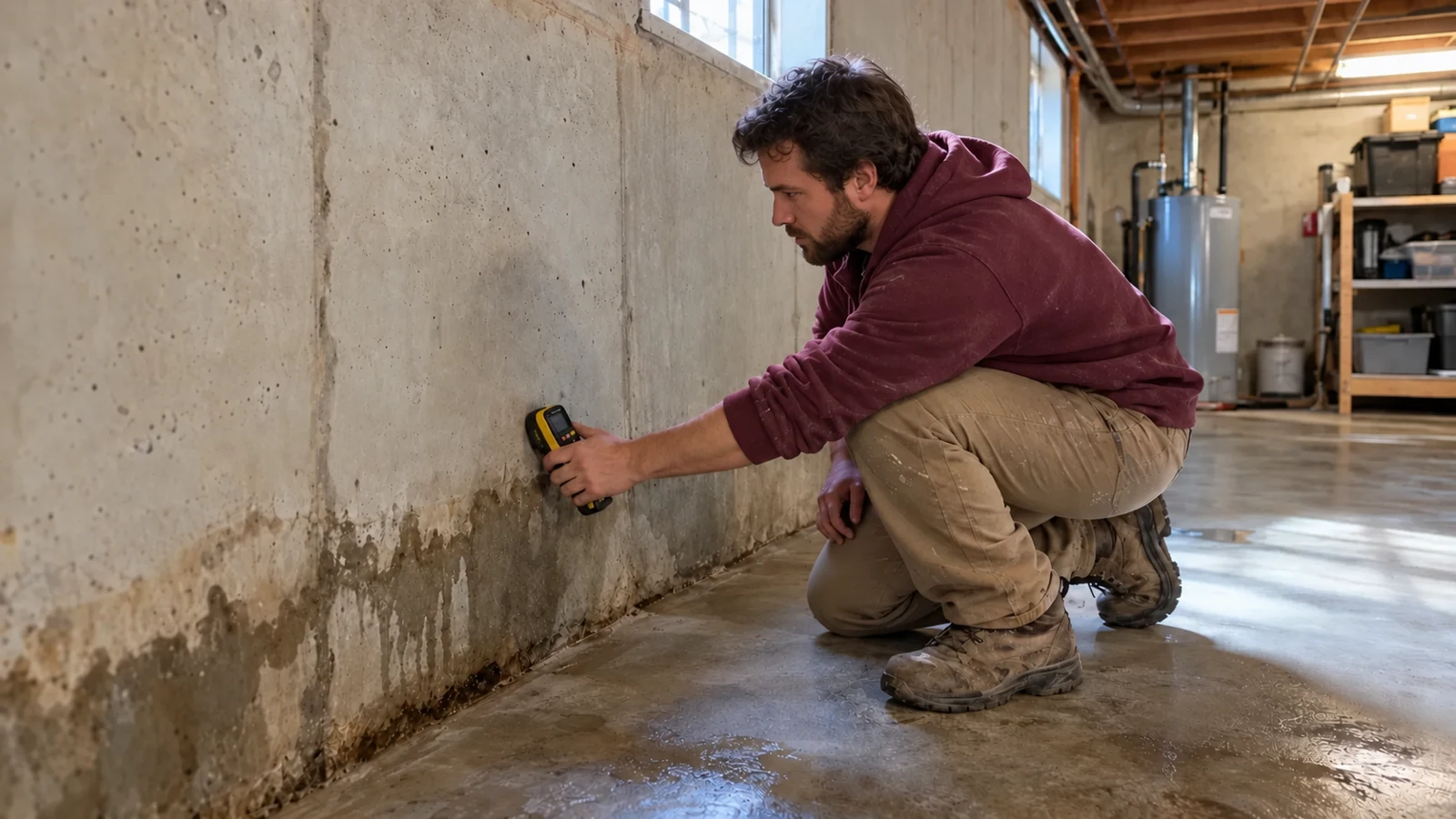
Moisture source and affected materials matter to the assessment. EPA advises specialized help for extensive damage or contaminated water; a form cannot determine cleanup scope or insurance coverage.
This note supports a specific trade detail. It is not a diagnosis, a complete installation procedure, or a promise that every property needs the same work.
Practical checklist
- Record the customer's own description and the property location.
- Confirm the site facts before making a technical claim.
- Explain the work, exclusions, and who owns the next step.
- Record a realistic response or site visit window.
- Close the lead when the customer books, declines, or opts out.
References and limits
These sources support the trade and business context; requirements vary by project and location. The job-specific observations, price, and safety plan belong with a qualified local professional.