 BookedWork Pro
Restoration business resources
Repair visible damage or address the source first?
Approx. 2 min read
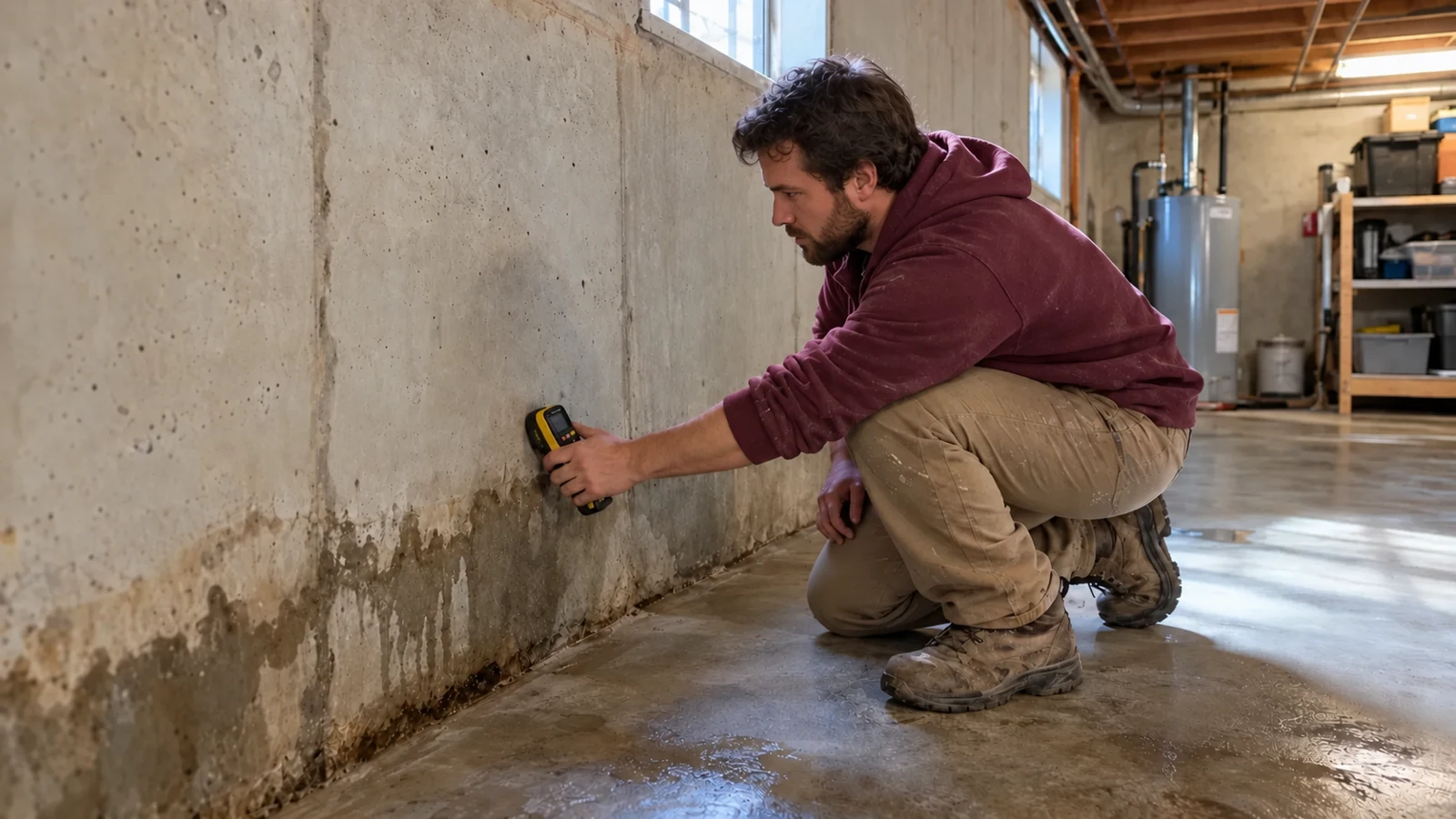
Painting a stain or installing new drywall before stopping water intrusion can repeat the loss. Ask when the damage appeared and whether moisture is still present.
Published September 24, 2026 · BookedWork Pro editorial guide. A qualified professional must verify field conditions, local rules, and product instructions before a technical recommendation or price.
What the inquiry is really about
Painting a stain or installing new drywall before stopping water intrusion can repeat the loss. Ask when the damage appeared and whether moisture is still present.
What a professional needs to establish
Determine the source or arrange the right trade to investigate, then assess materials that remained wet. EPA emphasizes drying wet materials promptly in its mold guidance.
How to explain the scope and next step
Separate source correction, mitigation, and cosmetic rebuild in the written scope. If the cause cannot be established, label the uncertainty and plan the next investigation.
Put the decision into practice
A successful repair begins with a bounded finding: what failed, where, how it was verified, and what adjacent parts remain uninspected. Investigate the cause before prescribing a product or patch. Explain which observed condition the repair addresses, what is excluded, and how the result will be checked. A patch can be appropriate for a local defect and still be the wrong recommendation for a broader pattern of failure. If the problem is structural, concealed, or spans trades, arrange qualified review rather than promising an instant remedy. Present a larger replacement as a separate choice with its own scope.
Prove the repair addressed its stated target
Agree on how completion will be checked before starting: an operational test, inspection, measured condition, or documented visual result appropriate to the job. Save the original observation and the work performed so a later callback can distinguish a recurrence from a new fault. If the source remains uncertain, do not replace uncertainty with a confident invoice description. Explain what the team did establish and whether monitoring or an additional professional assessment is reasonable.
Trade-specific reference point
Moisture source and affected materials matter to the assessment. EPA advises specialized help for extensive damage or contaminated water; a form cannot determine cleanup scope or insurance coverage.
This note supports a specific trade detail. It is not a diagnosis, a complete installation procedure, or a promise that every property needs the same work.
Practical checklist
- Record the customer's own description and the property location.
- Confirm the site facts before making a technical claim.
- Explain the work, exclusions, and who owns the next step.
- Record a realistic response or site visit window.
- Close the lead when the customer books, declines, or opts out.
References and limits
These sources support the trade and business context; requirements vary by project and location. The job-specific observations, price, and safety plan belong with a qualified local professional.