 BookedWork Pro
Restoration business resources
Restoration closeout: findings and remaining responsibilities
Approx. 2 min read
A dry-looking wall is not itself proof that every cavity and cause has been addressed. The customer needs a record of what was done and any open questions.
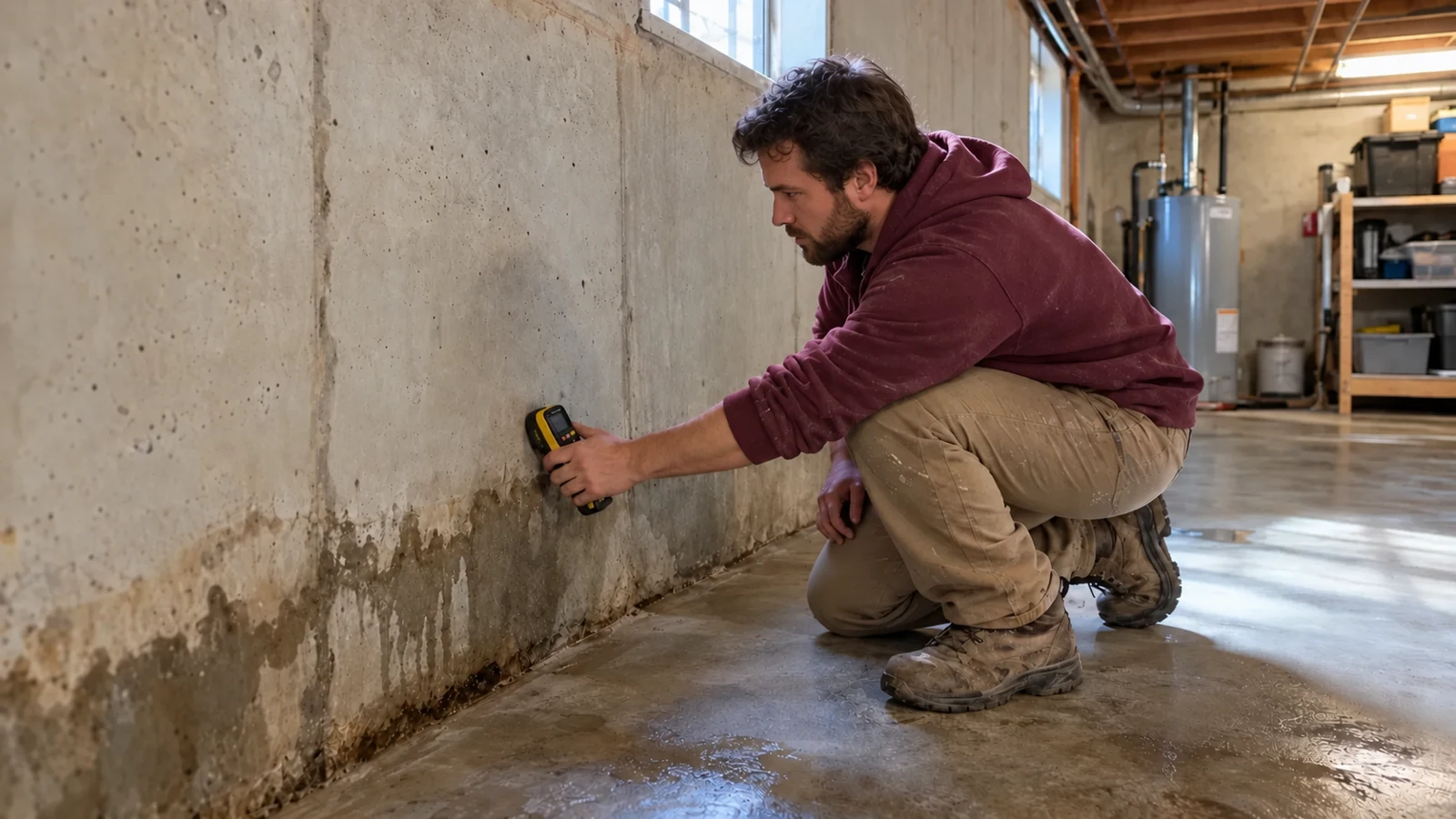
Published September 24, 2026 · BookedWork Pro editorial guide. A qualified professional must verify field conditions, local rules, and product instructions before a technical recommendation or price.
What the inquiry is really about
A dry-looking wall is not itself proof that every cavity and cause has been addressed. The customer needs a record of what was done and any open questions.
What a professional needs to establish
Document completed scope, relevant moisture or cleaning checks, photos, reconstruction status, excluded areas, and warranty limits. Link later callbacks to the original loss.
How to explain the scope and next step
Walk through results, identify source-control responsibilities, deliver documentation, and compare actual labor and equipment use to the original estimate.
Put the decision into practice
Keep the signed scope, change approvals, site notes, completion findings, warranty information, and product instructions in one job record. Walk through the finished area with the customer and identify any remaining items, their owner, and a date for completion. Ask what remains unresolved and log callbacks separately from new leads; a warranty question is not a new marketing opportunity. Share only the care instructions that fit the installed system. Compare actual materials, labor, and job duration to the estimate, then review which lead sources resulted in work the team could deliver well. That feedback improves future estimating and scheduling.
Use closeout to improve the next job
Check whether the approved scope matches the final work, whether the customer received required documents, and whether follow-up items have an owner and due date. Compare estimated with actual time and material by cause: unexpected condition, customer change, supplier delay, or a missed original measurement. Store the findings so a future estimator can learn from them. A completed job may still need support; giving that callback a clear route protects both the customer and the company's reputation.
Trade-specific reference point
Moisture source and affected materials matter to the assessment. EPA advises specialized help for extensive damage or contaminated water; a form cannot determine cleanup scope or insurance coverage.
This note supports a specific trade detail. It is not a diagnosis, a complete installation procedure, or a promise that every property needs the same work.
Practical checklist
- Record the customer's own description and the property location.
- Confirm the site facts before making a technical claim.
- Explain the work, exclusions, and who owns the next step.
- Record a realistic response or site visit window.
- Close the lead when the customer books, declines, or opts out.
References and limits
These sources support the trade and business context; requirements vary by project and location. The job-specific observations, price, and safety plan belong with a qualified local professional.