 BookedWork Pro
Windows and Doors business resources
Choosing energy-efficient windows for a particular home
Approx. 2 min read
A homeowner may care most about comfort, glare, noise, or condensation. Clarify the goal and orientation of the opening before choosing glazing.
Published September 24, 2026 · BookedWork Pro editorial guide. A qualified professional must verify field conditions, local rules, and product instructions before a technical recommendation or price.
What the inquiry is really about
A homeowner may care most about comfort, glare, noise, or condensation. Clarify the goal and orientation of the opening before choosing glazing.
What a professional needs to establish
Review NFRC ratings such as U-factor and solar heat gain coefficient, product air leakage information, climate, and installation quality. DOE guidance explains how window performance varies.
How to explain the scope and next step
Compare products using actual labels and site needs. Avoid promising a fixed percentage reduction in utility bills from a window replacement without evidence for that home.
Put the decision into practice
Begin with the homeowner's goal, whether it is appearance, reliability, comfort, reduced upkeep, or a different use of the space. Compare alternatives by fit, site conditions, durability, maintenance, disruption, and the complete installation scope. A higher-priced product may require less preparation or more specialized work; show both rather than assuming the material price decides the job. Explain where product documentation, compatibility, testing, or code review matters. Use the same assumptions when comparing options and identify which decision is reversible before ordering. Do not promise a precise bill saving, project lifespan, or universal best choice without evidence for that property.
Build a fair comparison sheet
For each option list included components, preparatory work, work by other trades, user maintenance, expected disruption, warranty source, and decisions still needed. Compare the same site and goals; a product-only price is not comparable with an installed system quote. If the customer is still choosing, record the preferred option and set a date for a product or design conversation. A brochure may describe a product but cannot verify that it fits a particular building.
Trade-specific reference point
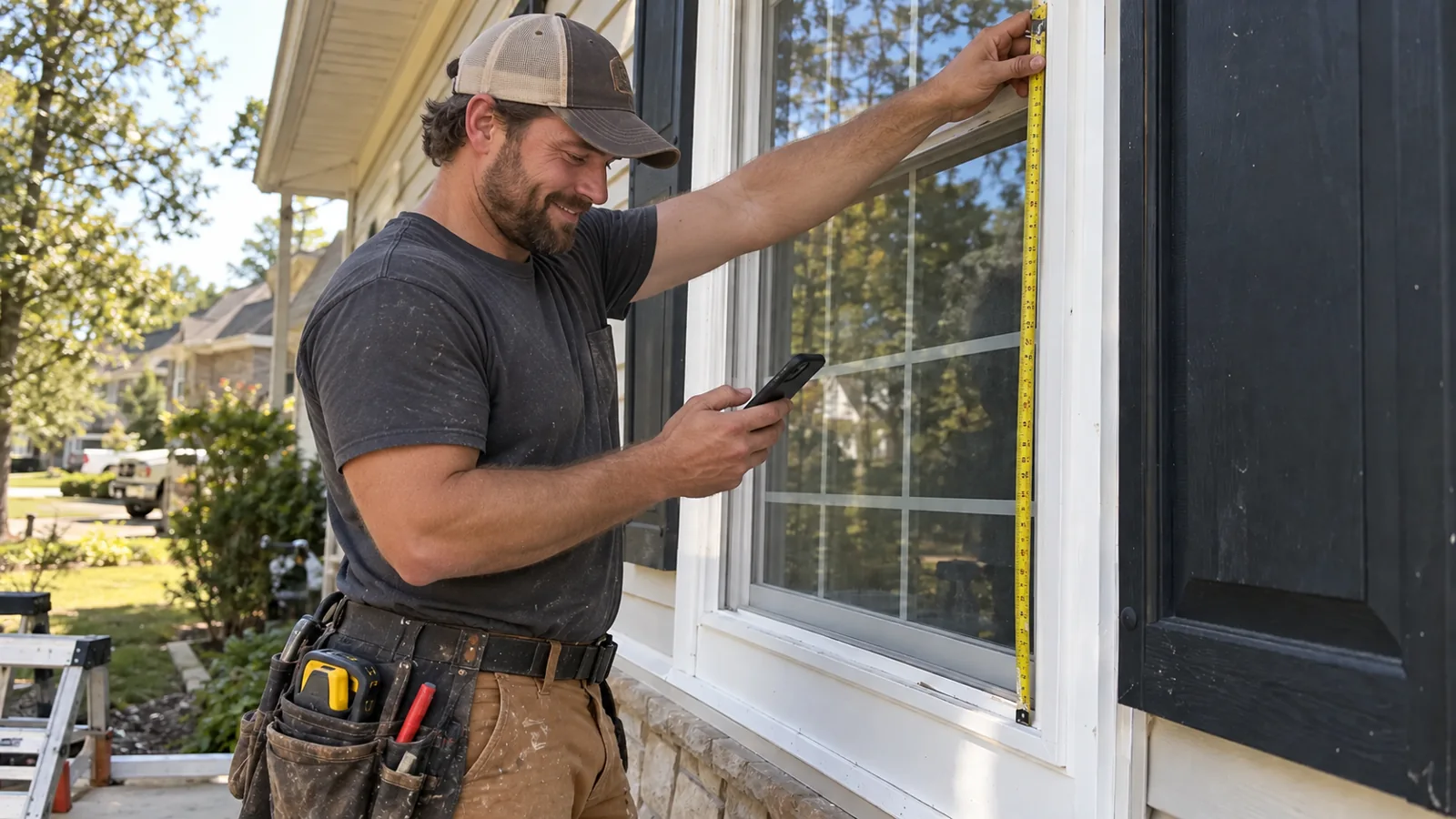
A product's U-factor and solar heat gain coefficient describe different performance traits. The installer should verify openings and product selection rather than price replacement from an approximate count alone.
This note supports a specific trade detail. It is not a diagnosis, a complete installation procedure, or a promise that every property needs the same work.
Practical checklist
- Record the customer's own description and the property location.
- Confirm the site facts before making a technical claim.
- Explain the work, exclusions, and who owns the next step.
- Record a realistic response or site visit window.
- Close the lead when the customer books, declines, or opts out.
References and limits
These sources support the trade and business context; requirements vary by project and location. The job-specific observations, price, and safety plan belong with a qualified local professional.