 BookedWork Pro
Insulation business resources
Seasonal insulation assessments: timing and symptoms
Approx. 3 min read
Winter drafts and summer upstairs heat often prompt calls at different times. Ask what rooms and seasons are involved and whether the symptom changed suddenly.
Published September 24, 2026 · BookedWork Pro editorial guide. A qualified professional must verify field conditions, local rules, and product instructions before a technical recommendation or price.
What the inquiry is really about
Winter drafts and summer upstairs heat often prompt calls at different times. Ask what rooms and seasons are involved and whether the symptom changed suddenly.
What a professional needs to establish
Assess the accessible envelope, air leakage, and insulation; coordinate with HVAC or roofing where their systems may be involved. A seasonal inspection cannot guarantee every concealed cavity is sound.
How to explain the scope and next step
Offer a targeted follow-up and a schedule that respects attic temperatures and safe access. Send reminders tied to the actual issue rather than the same sales pitch to every home.
Put the decision into practice
Explain which checks make sense for the installed material, weather pattern, and prior trouble at that property. Separate a visual check, a preventive service, and a repair requiring approval. Track observations from earlier visits so the crew can compare what changed rather than restarting every season. Choose a meaningful return window based on local conditions and the customer's schedule. If a check reveals a new issue, describe what was observed and what further testing is needed. Seasonal reminders should match the customer's preferences and should never suggest that a routine inspection proves every concealed component is problem-free.
Make a seasonal reminder useful
A useful message cites a real reason to revisit the system: a prior service note, a known exposure, a product maintenance interval, or local conditions. It offers a reasonable appointment choice and lets the customer decline future reminders. Do not imply the contractor has inspected this year's condition when it has only sent an automated email. Record the outcome so an already scheduled customer does not get a second invitation for the same service.
Trade-specific reference point
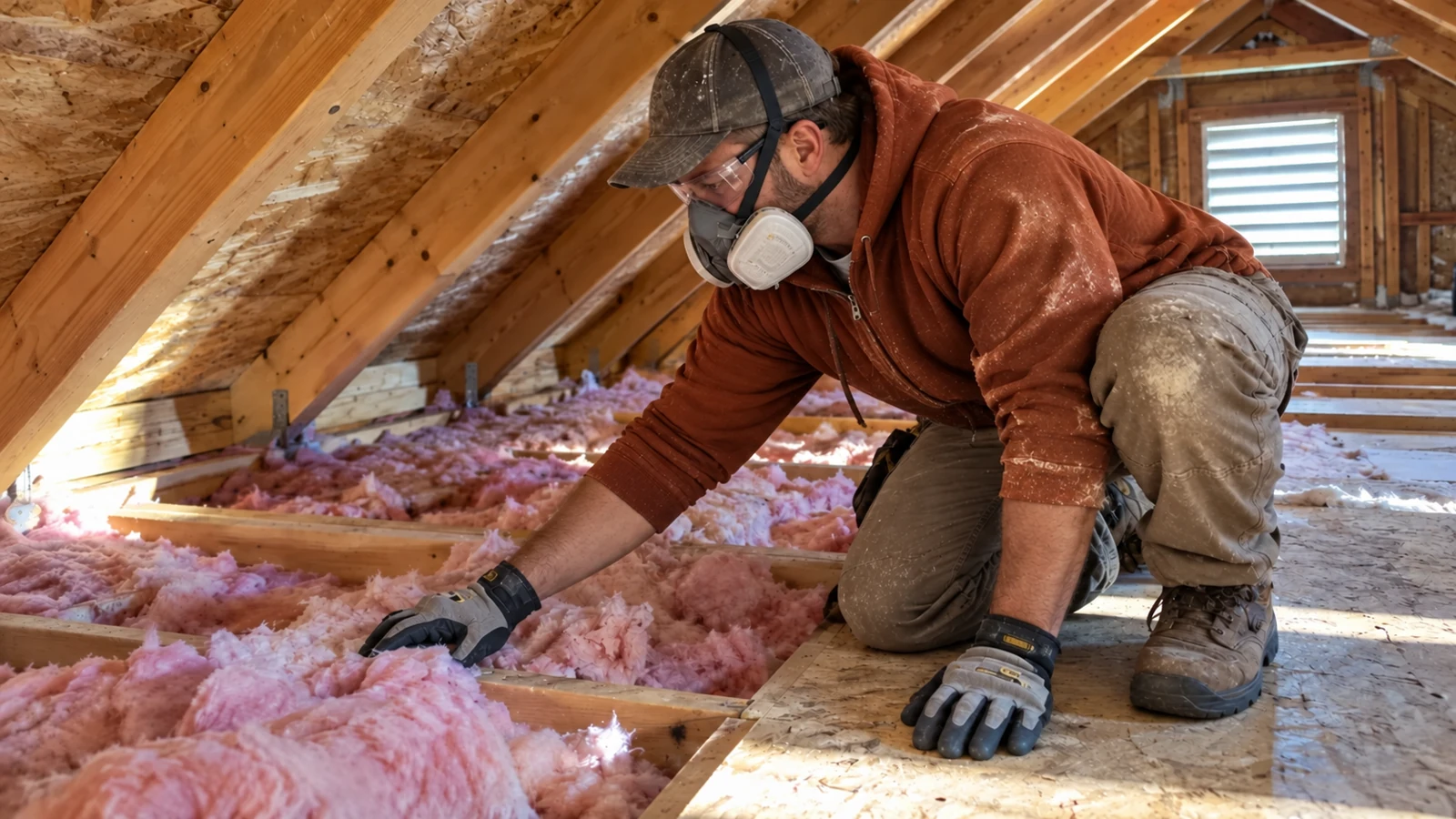
An attic assessment should consider air leaks as well as insulation. ENERGY STAR explains how attic air sealing and insulation work together; actual scope depends on inspecting the home.
This note supports a specific trade detail. It is not a diagnosis, a complete installation procedure, or a promise that every property needs the same work.
Practical checklist
- Record the customer's own description and the property location.
- Confirm the site facts before making a technical claim.
- Explain the work, exclusions, and who owns the next step.
- Record a realistic response or site visit window.
- Close the lead when the customer books, declines, or opts out.
References and limits
These sources support the trade and business context; requirements vary by project and location. The job-specific observations, price, and safety plan belong with a qualified local professional.