 BookedWork Pro
Concrete and Masonry business resources
Concrete site assessment: look below the finished surface
Approx. 2 min read
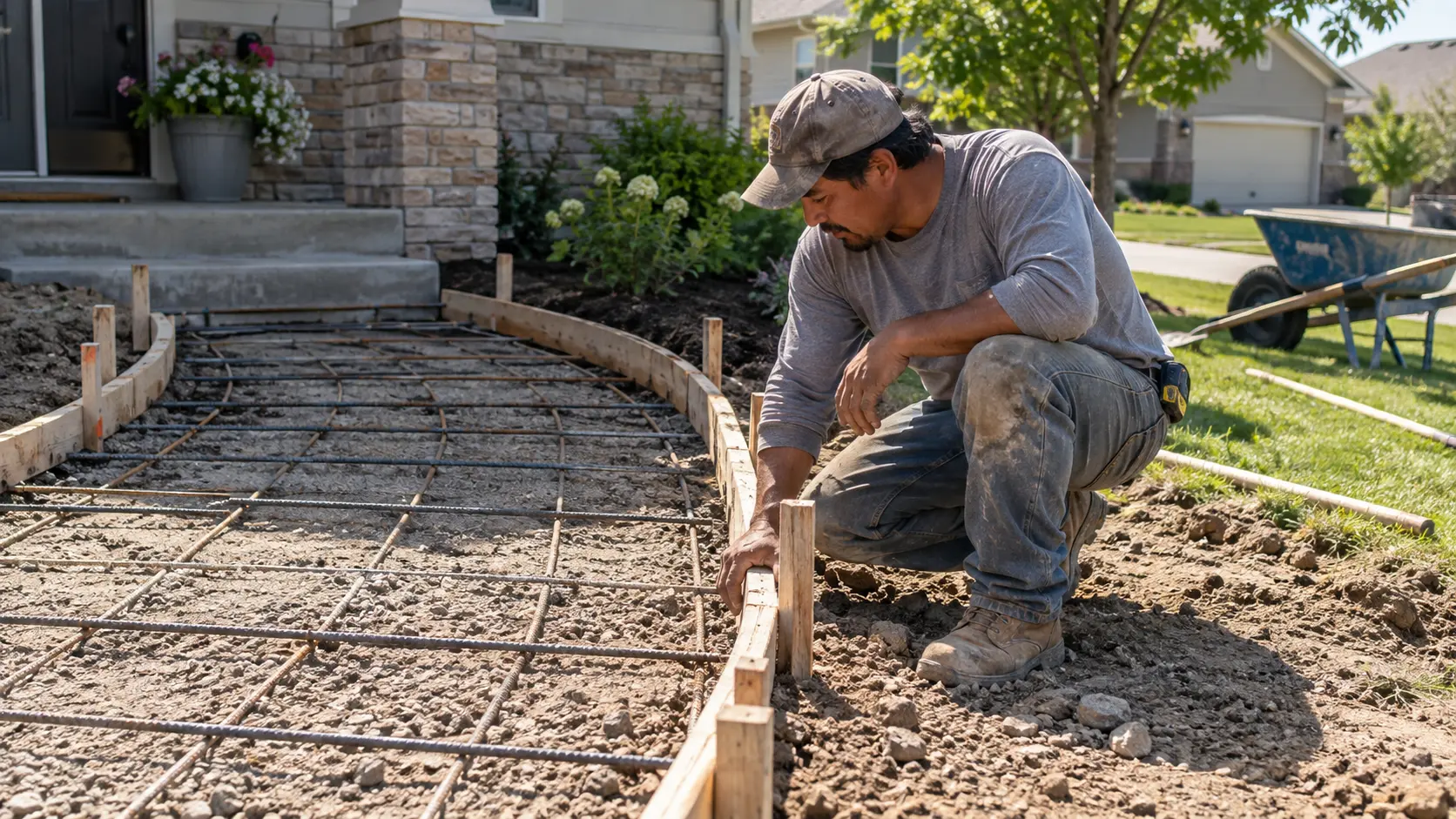
The visible area does not reveal subgrade condition, drainage routes, soil movement, or utilities. Ask about prior settlement and where water runs during heavy rain.
Published September 24, 2026 · BookedWork Pro editorial guide. A qualified professional must verify field conditions, local rules, and product instructions before a technical recommendation or price.
What the inquiry is really about
The visible area does not reveal subgrade condition, drainage routes, soil movement, or utilities. Ask about prior settlement and where water runs during heavy rain.
What a professional needs to establish
Inspect dimensions, slope, access, existing surface, nearby structures, and visible cracking or movement. The American Concrete Institute has separate repair procedures because appropriate methods depend on the defect.
How to explain the scope and next step
Record measurements, observed conditions, and questions requiring testing or engineering. Do not promise that resurfacing alone resolves an unidentified settlement problem.
Put the decision into practice
Before the visit, tell the customer which areas need access, whether measurements or product information would help, and whether a decision maker should be there. At the property, document relevant dimensions and observations with dated notes or permitted photos. Label the information as customer-reported, measured, observed, or still unknown. Separate a visible symptom from its underlying cause; never turn an unverified hypothesis into a diagnosis on a proposal. End with a brief explanation of the next investigation, likely scope, or specialist handoff and a date when the customer can expect a written answer.
Leave a usable record for the estimator
Use a short field worksheet with the property address, date, customer goal, measured areas, observed condition, test or reference used, and inaccessible areas. Label photographs with the affected location. Before leaving, state what else must be checked and who will perform it. If the crew finds a potential issue outside its trade, note the referral or further assessment rather than including unverified work in the bid. This record should make sense to someone who did not attend the visit.
Trade-specific reference point
A crack's appearance alone does not establish its cause. Concrete repair calls for evaluating condition and deterioration before choosing a method or preparing a firm scope.
This note supports a specific trade detail. It is not a diagnosis, a complete installation procedure, or a promise that every property needs the same work.
Practical checklist
- Record the customer's own description and the property location.
- Confirm the site facts before making a technical claim.
- Explain the work, exclusions, and who owns the next step.
- Record a realistic response or site visit window.
- Close the lead when the customer books, declines, or opts out.
References and limits
These sources support the trade and business context; requirements vary by project and location. The job-specific observations, price, and safety plan belong with a qualified local professional.